Cultura y Bienestar:
Healing Through Tradition and Community
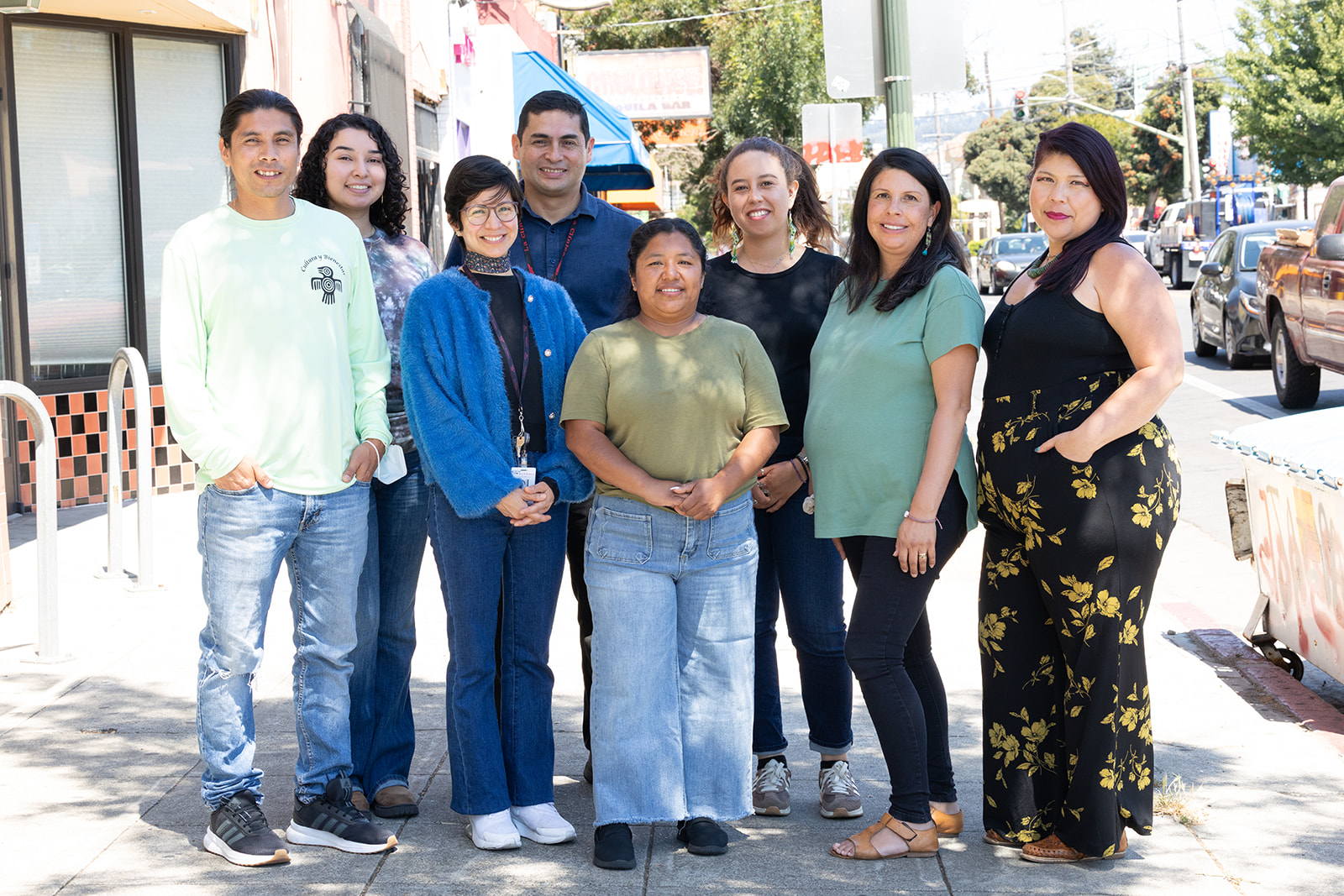
Unlike traditional clinical models, Cultura y Bienestar (Culture and Well-being) is a unique branch of behavioral health that focuses on prevention and early intervention. “Western medicine often misses what people truly need,” says Kaitlin Cruz, a clinical supervisor and marriage and family therapist (MFT).
The program integrates culturally affirming practices, balancing traditional Western medical models with Indigenous traditions through curanderismo (traditional healing), yerberos (herbalism), and spiritual practices.

Western medicine often misses what people truly need.
—Kaitlin Cruz, clinical supervisor
An Innovative Vision of Healing
Founded in 2010, Cultura y Bienestar was groundbreaking for its time. While traditional healers were often dismissed in mainstream healthcare, La Clínica championed their inclusion. The program weaves together community health workers with traditional healers—herbalists, drummers, artists, and ceremonial guides—who offer workshops and one-on-one sessions to participants who benefit from alternative and culturally affirming approaches. Funded by California’s Reducing Disparities Project, the program has proven that cultural affirmation keeps people engaged in care.
transformative
The Power of Ritual and Connection
One of the most profound aspects of the program is its use of ritual and collective healing. During Día de los Muertos (Day of the Dead), participants craft altars to honor lost loved ones. “People come for a talk but leave with a cleansing,” describes Alberto Perez-Rendon, department manager of Cultura y Bienestar. For many, especially after COVID-19’s devastation, these ceremonies provided a rare space to process grief.
Weekly drum circles, for example, foster deep emotional release with synchronized beats creating a somatic experience to unlock trauma in ways talk therapy alone cannot. Similarly, herbal practices—like aromatherapy with copal (sacred resin)—evoke ancestral memories, grounding participants in their heritage. The program teaches portable healing practices, like creating small home altars for meditation or using herbs for emotional regulation. This self-reliance is transformative, especially for those with limited access to clinical care or those who may live in crowded, unstable conditions, making traditional therapy difficult.
People come for a talk but leave with a cleansing.
—Alberto Perez-Rendon, Manager of Cultura y Bienestar
Adapting to the Future
Despite its success, Cultura y Bienestar faces uncertainty as funding for mental health services is restructured towards more traditional therapeutic models practiced in Western medicine. For leaders like Kaitlin and Alberto, Cultura y Bienestar is more than a program—it’s a reclamation. In a system that often reduces healing to diagnoses and prescriptions, they offer something truly transformational: the right to heal in the language of one’s soul. As funding shifts, their hope is simple—that the wisdom of the past remains alive in the care models of the future.
